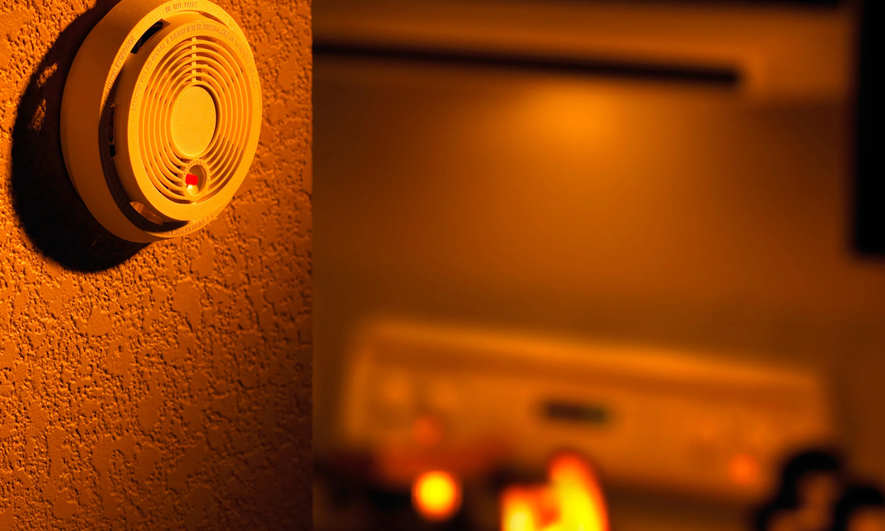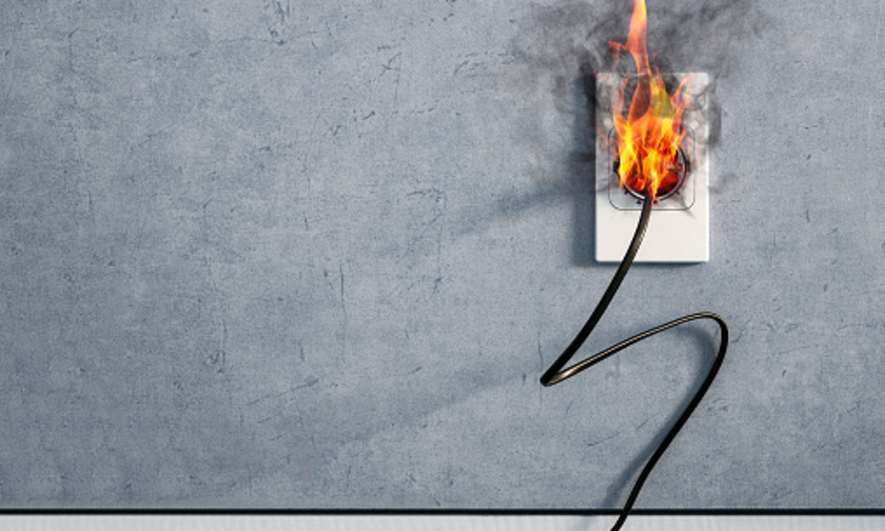

From smartphones and laptops to electric vehicles and cordless tools, lithium-ion batteries power our modern lives. These compact energy sources offer convenience and efficiency, but they also carry a potential hidden risk of fire. While understanding the root cause of a fire can be tricky, the National Fire Protection Association estimates that lithium-ion batteries account for nearly 300 fires per year—and this figure is likely an underestimate. More precise tracking in Massachusetts identified 50 fires in just six months related to lithium-ion batteries.
The more these batteries are used to charge up our lives, the more of a risk they present. Whether you own or rent your home, understanding the types of lithium-ion batteries and the potential hazards they cause is essential for maintaining the safety and the protection of your home and loved ones.
What Are the Differences Between Lithium-Ion and Regular Batteries?
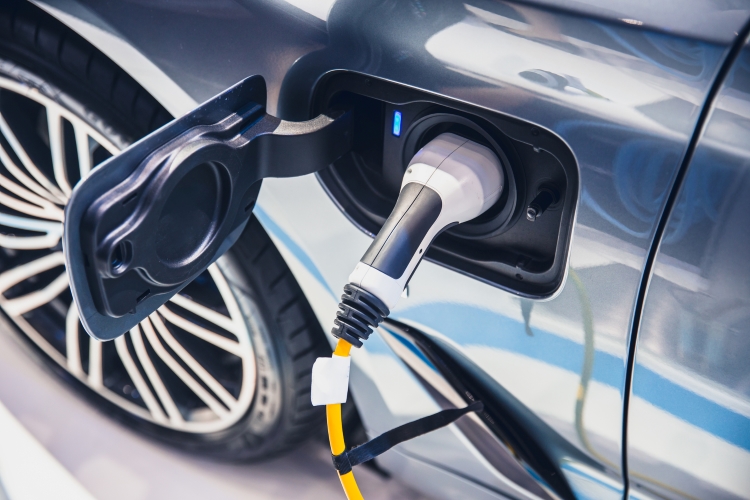 Lithium-ion batteries are not your standard battery; they’re rechargeable, contain more energy and have a longer lifespan. It’s no surprise these power banks have gained in popularity over the last few years and are projected to keep climbing. In 2023, the market value of the lithium-ion battery industry was just shy of 54.5 billion dollars and is expected to grow with a “compound annual growth rate of around 20.3% from 2024-2030.” The largest contributor to this increase? Electric vehicles.
To quickly compare and contrast battery types, we’ve compiled some key differences:2