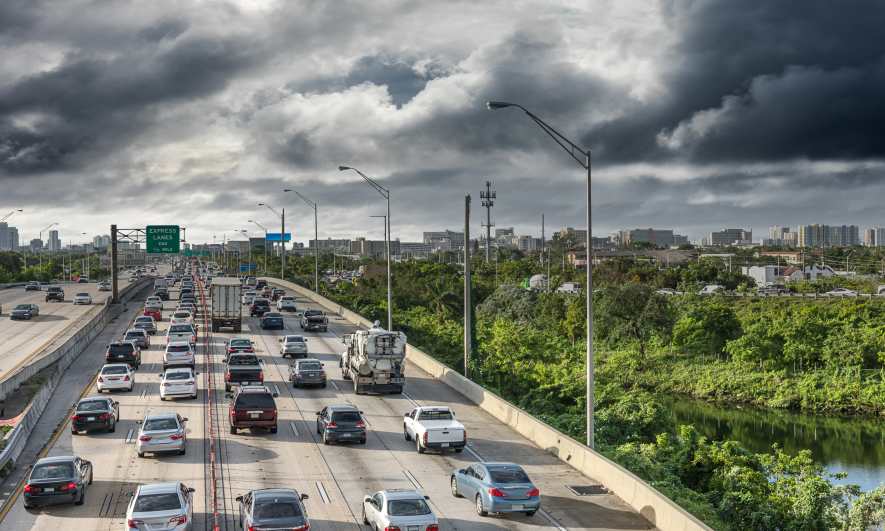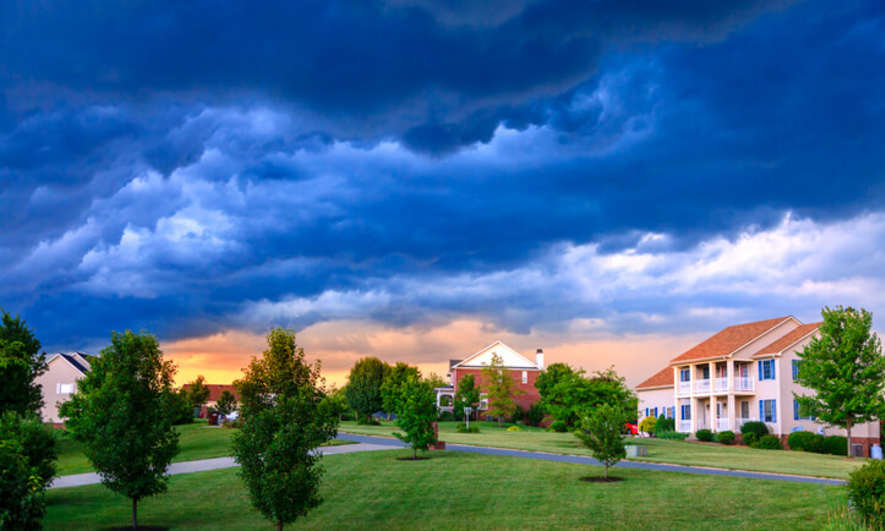

Shoring up your home now can help you to weather any storm — from a tornado to a wildfire to an earthquake. Long-term storm prep includes a variety of tasks and upgrades that vary based on the types of natural disasters where you live.
It’s important to think ahead and prepare for storms because severe weather is only getting worse. Last year experienced over $93 billion in damages from weather and climate disasters, according to the National Oceanic and Atmospheric Administration (NOAA). Even more, the NOAA states that “only one other year (2017) had more billion-dollar disasters in the first six months, and 2023 was second only to 2021 for total damage costs through the first half of any year since 1980.”
Below are some practical steps you can take to protect your home from natural disasters or storms.
Prepare Yourself, Not Just Your Home
Taking steps to strengthen your home can help reduce storm damage, but personal preparedness is just as important. Severe weather can disrupt electricity, transportation, communications and access to medical care. For older adults, people with chronic health conditions and those who rely on medications or medical equipment, these disruptions can present additional challenges.
Before severe weather strikes:
- Stay informed by monitoring trusted local weather alerts and emergency notifications.
- Understand the risks most common in your area, whether that's flooding, hurricanes, tornadoes, wildfires or winter storms.
- Create an emergency plan and make sure family members know how to contact one another if communications are disrupted.
- Keep medications, medical supplies and important documents in an easily accessible location.
- Build a support network of family, friends and neighbors who can assist if an evacuation or emergency occurs.
- Preparing both your home and household can help you respond more confidently when extreme weather occurs.
 More than 2,200
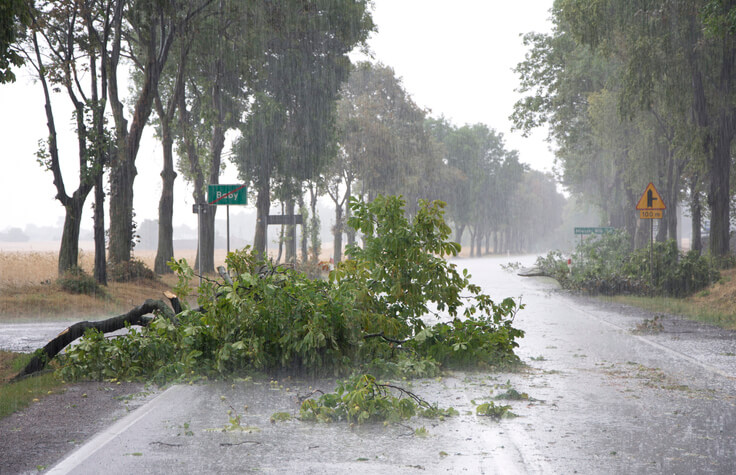
 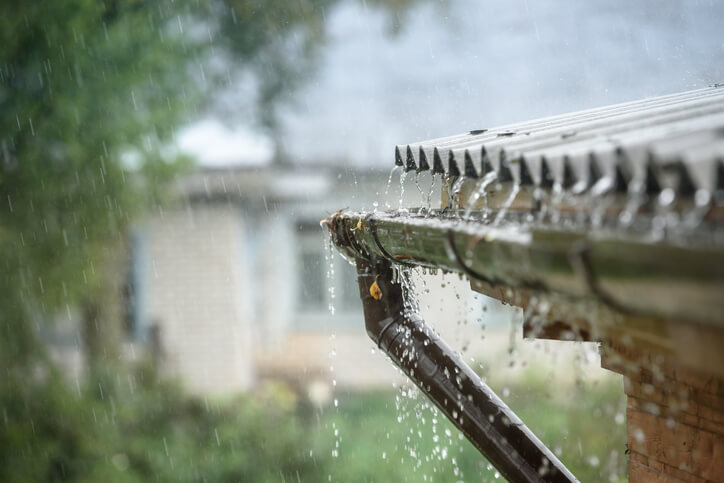 Homeowners across the United States are at risk for flooding, which can happen as the result of a storm, hurricane or heavy rains. As many as 14.6 million properties across the country may face a substantial risk of flooding, according to a 2020 report by the First Street Foundation Flood Lab. That number is growing due to environmental changes.
 In 2023, 1,197 tornadoes occurred in the United States, plus 97 ones yet to be verified. The state of Florida is especially prone to tornadoes, as is “Tornado Alley” — a swath of the Midwest that includes parts of central Texas, Iowa, Kansas, Nebraska and Ohio. March 31, 2023 alone spawned 163 tornadoes that caused billions of dollars in damages.
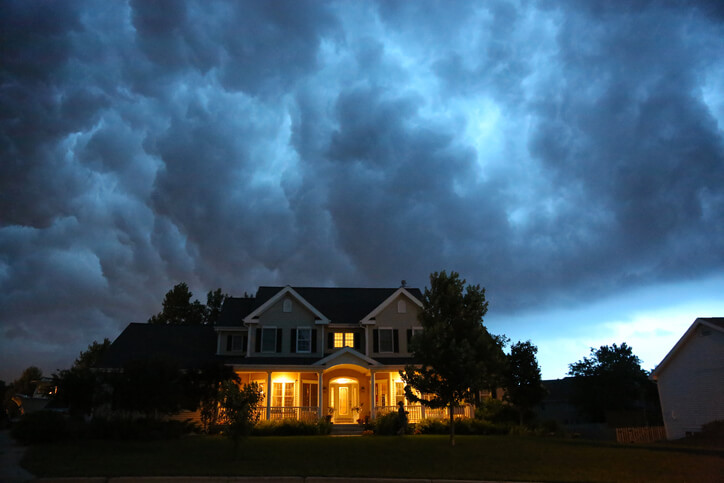 There are about 100,000 thunderstorms a year in the United States, and about 10% can be classified as severe, according to
 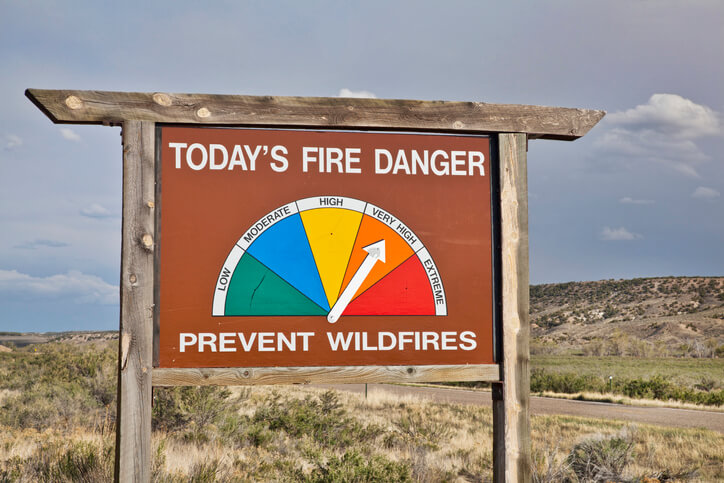 The wildfires of recent years prove just how much damage these blazes can cause. In 2022 alone, over 41,00 wildfires burned across 5.9 million acres, according to a
 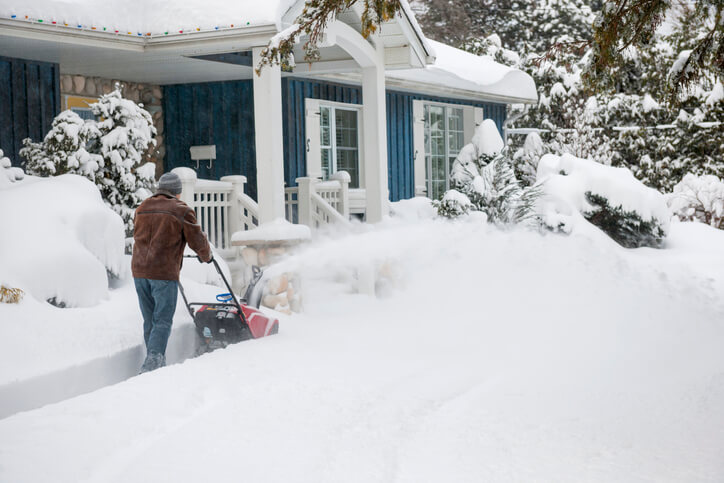 A blizzard is a storm that includes sustained wind gusts of 35 miles per hour or more along with considerable falling or blowing snow, according to the National Weather Service (NWS). Winter storms can bring extreme cold, ice, sleet, snow and freezing rain