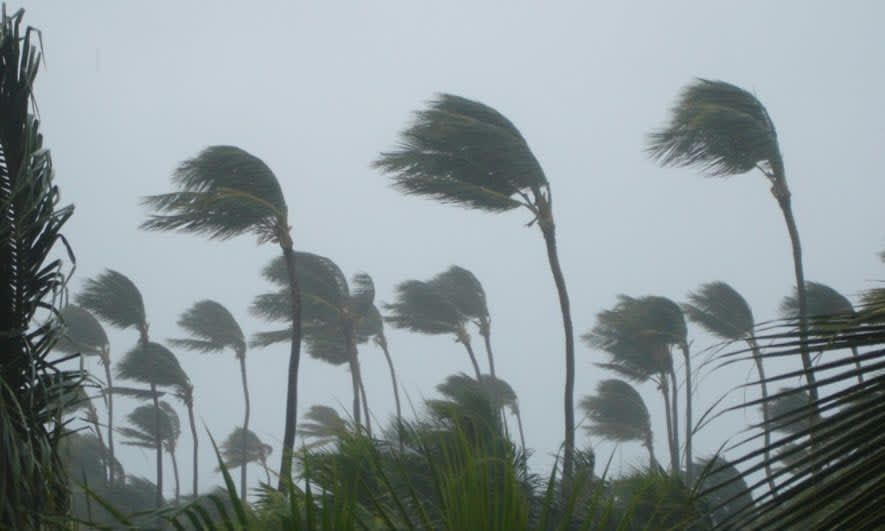
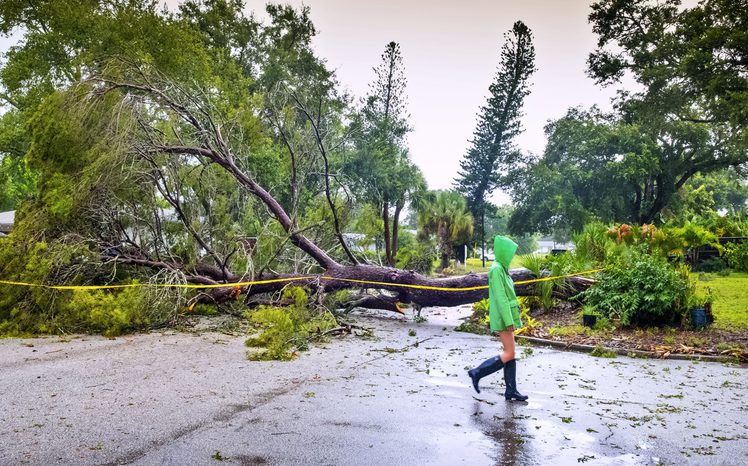
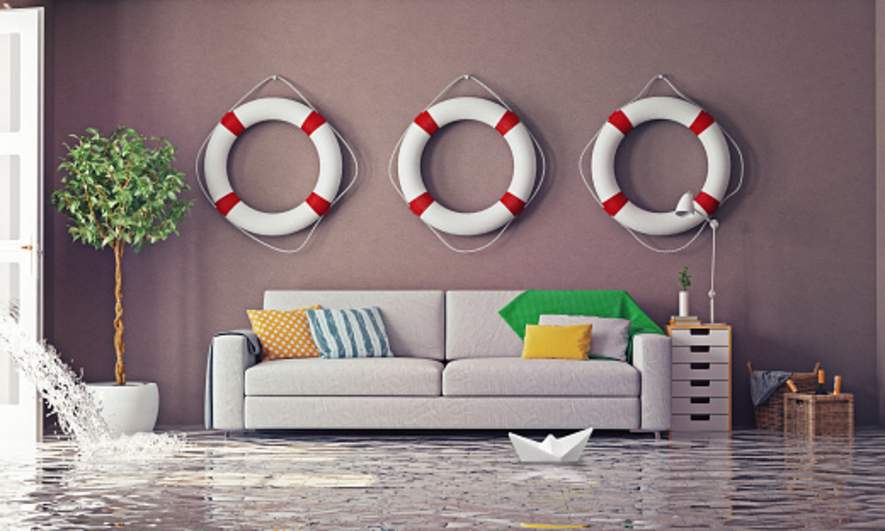
Depending on the intensity of the storm, the amount of rainfall and the geography of the surrounding area, tropical storms can cause different types of flooding. Your family and property may be at risk from the following tropical storm
flood types:
- Flash floods: These develop quickly in a matter of hours or even minutes, and can occur due to large amounts of rainfall or even a levee break. They’re fast and strong, and can destroy trees, homes, and vehicles, and also can trigger mudslides.
- River floods: If you live near a river, you may be used to preparing for spring floods, as rivers swell with melted snow from the spring thaw. Yet tropical storm flooding can cause rivers to flood their banks as they rise, due to the tropical storm rainfall. In 2011, Hurricane Irene broke more than 26 river flooding records in New York, New Jersey, and Vermont alone.
- Urban floods: While you may love the new roads in and around your neighborhood, or the great new parking lot at the arena or shopping center, all that paving makes the land in your area less able to soak up a lot of water. So, when a tropical storm moves through, urban areas experience what’s known as runoff. The concrete and pavement can’t absorb the rain, so it “runs off,” turning city streets into dangerous urban waterways.
The sooner you’re alerted to an impending tropical storm surge or flood watch or warning, the more time you’ll have to take action to protect yourself, your family, and your property.
According to NOAA, a
tropical storm warning announces that a tropical storm with winds in the range of 39 to 73 miles per hour is expected to occur in an area within the next 36 hours. A tropical storm watch announces that a tropical storm with these wind speeds is possible in the area within the next 48 hours.
You may learn of tropical storm watches and warnings several ways, including:
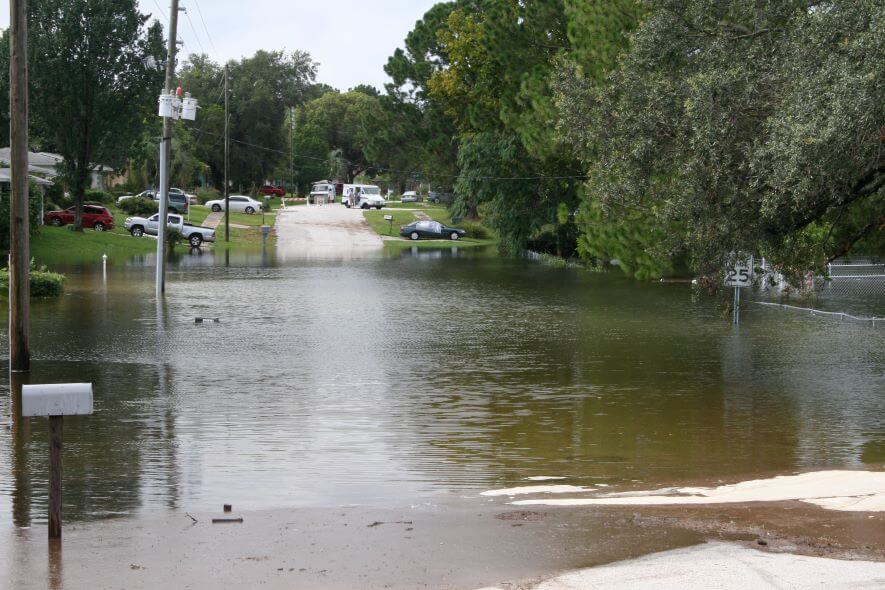
When the waters start to rise, it’s too late to do anything other than try to keep yourself and your loved ones safe. That’s why it’s imperative to take precautions to minimize unnecessary tropical storm flooding damage to your home and property long before summer storms arrive.
Actions to take outdoors may include:
- Clearing gutters and making sure they’re positioned to divert water away from your home
- Grading the landscaping to slope away from your home to discourage water pooling around your house
- Clearing any storm drains of debris such as dirt, twigs, and leaves
Inside your home, check the following:
- Confirm the presence of check valves (or install them) on the sewer traps in your home to help prevent floodwaters from backing up and entering your home through the drains.
- Consider purchasing and installing a battery backup or generator to run sump pumps if there’s a power outage.
- If you live in a flood-prone area, think about having trenches dug in the basement to drain water to the sump pump.
- Fix any cracks in basement and ground floor walls or floors.
- Move important items to the highest floors to avoid potential floodwater damage.
- Store important documents in a safe, waterproof place.
Remember, don’t wait for a tropical storm warning to get started on preventative measures to protect your property. Give yourself the time to make the necessary adjustments and repairs.