
The scramble to prepare before a winter storm hits is a staple of local TV news. Shots of customers rushing to the supermarket to buy extra bread and eggs, and interviews with hardware store owners who describe shovels flying off the shelves, are so familiar that they invite jokes: Why do storms compel everyone to make French Toast? How many shovels does one family need, anyway?
However, amusing as the forecast hype can be, winter storms can cause serious damage. It’s only logical to want to be prepared for them, even if you only have a day or two.
What practical steps should you take if you learn on Wednesday that a blizzard is going to hit your town on Friday? Here’s what you can do to stay safe and warm before, during, and immediately after a winter storm.
1. Protect Your Home
What is the best way to get your home ready for severe weather, especially if you haven’t had the time to devote to long-term preparation? Consider these tips for protecting your home.
- Have product on hand to treat your exterior steps and walkways: salt, sand, cat litter, or ice melt.
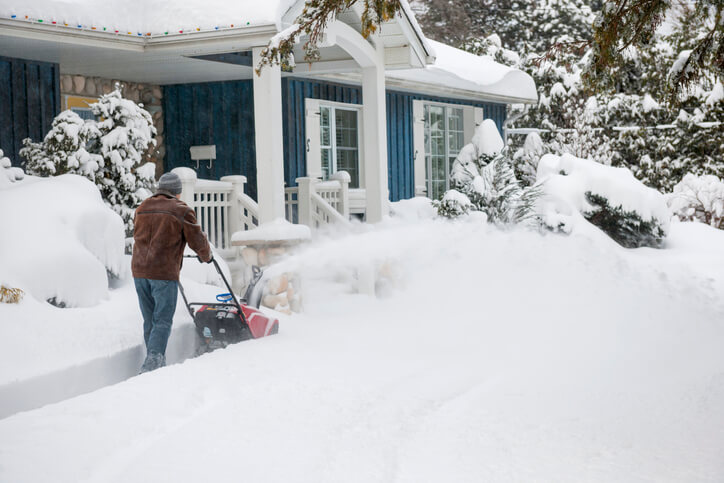
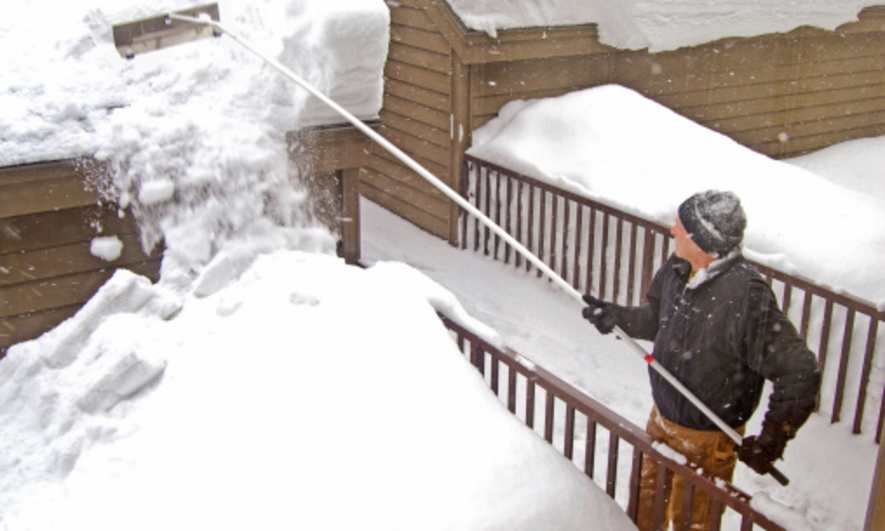
- Locate your shovel, scraper, broom, or anything else you use to clear snow from your property.
- Check your smoke and carbon monoxide detectors to be sure that they and their batteries are working properly. Should your home lose power, candles and emergency heaters can increase the risk of fire and excess carbon monoxide.
- Prepare for extreme cold by applying weather stripping or tape plastic sheeting to your windows to keep out the chill.
- Prevent pipes from freezing by opening cupboard doors below sinks, and turning on taps often or leaving them running at a trickle.
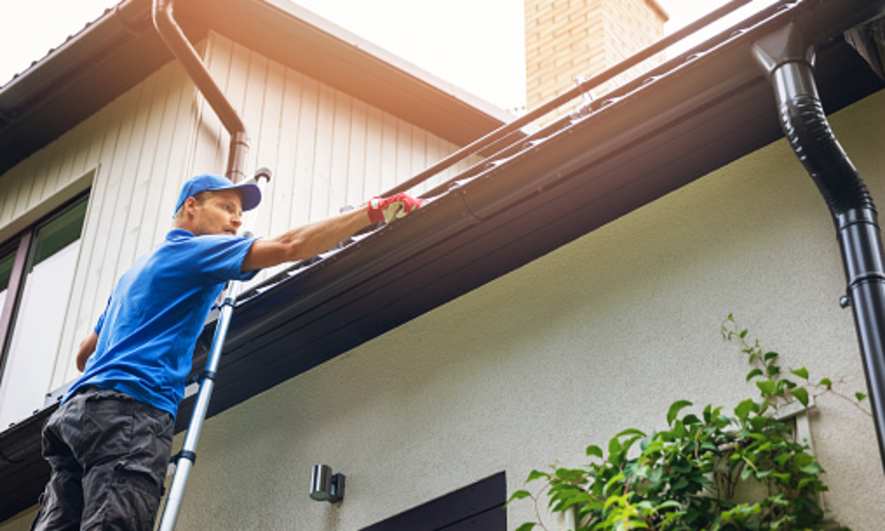
- Mitigate ice damage by cleaning out your gutters (if you’re able) so water doesn’t get trapped in them and freeze. This can lead to ice dams and potential leaks.

2. Get Ready for Power Outages
While the weather is good, charge all cell phones, computers, and any other electronics you might need in the days after the storm. Also charge (or consider buying, if you don’t already own) external battery packs that extend the battery life of your phone.
Make sure you have:
- Flashlights
- Extra batteries
- Candles and matches
- Battery-powered or hand-crank radio
3. Gather Supplies
If there’s a chance you’ll be stuck at home for days (and in a bad winter storm, there is!) stock up on several days’ worth of food and water. In this step, gather the following items:
- Water (at least one gallon per person per day) for every human and animal in your household
- Food options that won’t go bad after a few days without refrigeration and don’t need to be cooked, in case your appliances aren’t working
- Non-food essentials, like toilet paper and tissues
- First aid kit and emergency supplies
- Medications you might need
- Winter clothes, like snow boots, hats, and gloves, ready to be worn
- Extra cash