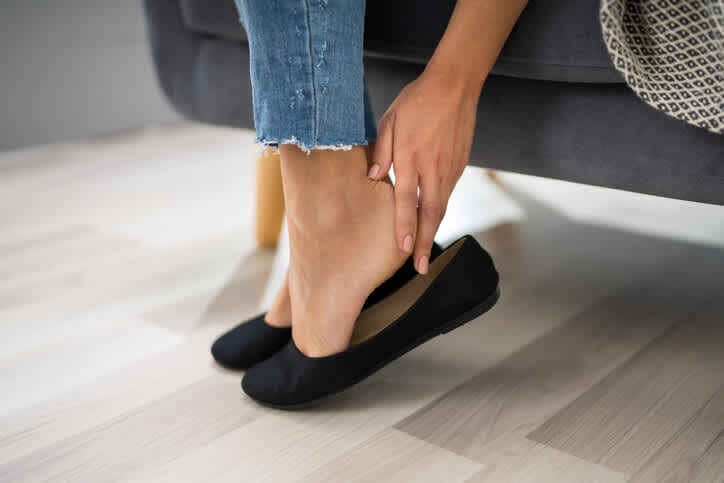
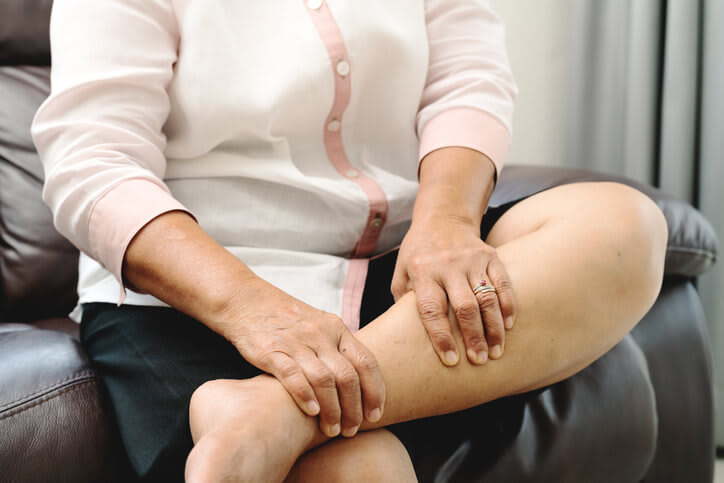
Treatment: Apply heat or cold compresses, depending on what works best for you. Gently stretch and massage the affected muscle. Stay hydrated. If you tend to get leg cramps at night, a study published by
American Family Physician found that vitamin B supplements can reduce cramp frequency.
Caution: Mayo Clinic urges you to see a doctor if this:
- Happens frequently
- Doesn’t get better with self-care
- Causes severe pain
- Is accompanied by swelling and redness
Sweaty, moist hands. Also known as hyperhidrosis.
The “clammy” descriptor doesn’t come from the slimy edible mollusk, but rather the original definition of the word clammy, which was
Old English for “smear.”
Cause: When the sympathetic nervous system is overactive, it causes a narrowing of the arteries and overstimulation of sweat glands. The reduced blood flow to the hands makes them feel cold and clammy.
Treatment: If this has become a serious problem for you, see your doctor. There are various medications and injections (such as Botox) that can help, says
Cedars-Sinai Medical Center in Los Angeles. If the problem persists, there are surgical options where the affected nerve is cut or removed.
Minor spasms of the upper and lower eyelids.
As bothersome as it might be to you, most people cannot tell that your eye is twitching. Unless you point it out to them and lean in real close, of course.
Cause: Exhaustion, stress, too much caffeine and dry, irritated eyes.
Treatment: The twitches are usually just brief, minor annoyances. However, if they are not subsiding:
Caution: If this is an ongoing problem, your vision is affected, or you can’t get rid of a gritty feeling in your eye, see your eye care specialist.
Involuntary spasm of the diaphragm, followed by the closure of the vocal cords.
There’s an old wives tale that says hiccups are caused by someone talking about you, and the only way to get rid of them is to guess the name of the person.
Cause: Drinking alcohol or carbonated beverages; overeating; swallowing air; emotional distress or high excitement; rapid temperature changes; or undergoing anesthesia.
Treatment: Usually, hiccups go away on their own. If not,
The Mayo Clinic suggests:
- Breathing into a paper bag
- Holding your breath
- Slowing breathing
- Sipping or gargling with cold water.
To help prevent hiccups you can limit carbonated and alcoholic drinks and eat smaller meals.
- Nerve damage in diaphragm muscles
- Pneumonia
- Uremia
- Disorders of the stomach or esophagus
- Bowel diseases
- Pancreatitis