Both SAD and depression can cause similar symptoms, but they aren’t exactly the same.
SAD occurs in response to a change in seasons. Symptoms can also vary depending on the severity of the season; people in milder climates may be less likely to experience severe SAD.
Depression, meanwhile, isn’t tied to the seasons. It’s linked to various factors including genetic predisposition and life stressors.
Symptoms of depression can include feelings of sadness, loss of interest in activities and difficulty sleeping, regardless of the time of year.
If you notice that your mood has changed and you’re feeling down during a seasonal shift, it could be a sign of SAD. Symptoms include feeling sad, hopeless, anxious and tired, fatigued or low energy.
- Feeling stressed
- Trouble sleeping or oversleeping
- Loss of interest in activities you used to enjoy
- Difficulty concentrating
- Withdrawing from social activity
If you are experiencing any of these symptoms, know you are not alone. Take comfort in sharing with your loved ones and seek help from your doctor or a mental health professional. They can help you determine if you have SAD and discuss the treatment options available.
A doctor can diagnose SAD by assessing your symptoms. They may also ask if you have a family history of depression or other mental health conditions. Sometimes, a doctor may recommend a physical exam to rule out other health conditions.
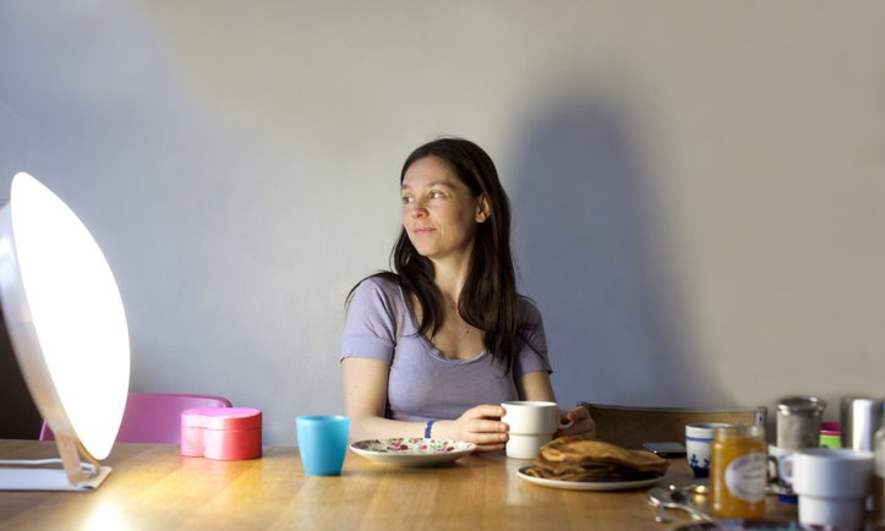
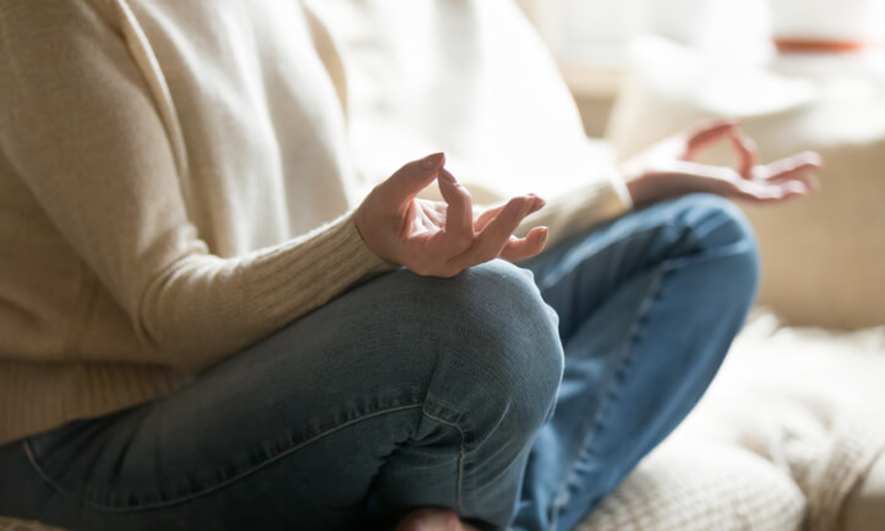
Fortunately, there are several treatment options to help ease symptoms. These are some of the most common treatments., but as always, ask your doctor if these methods will help with your specific case.