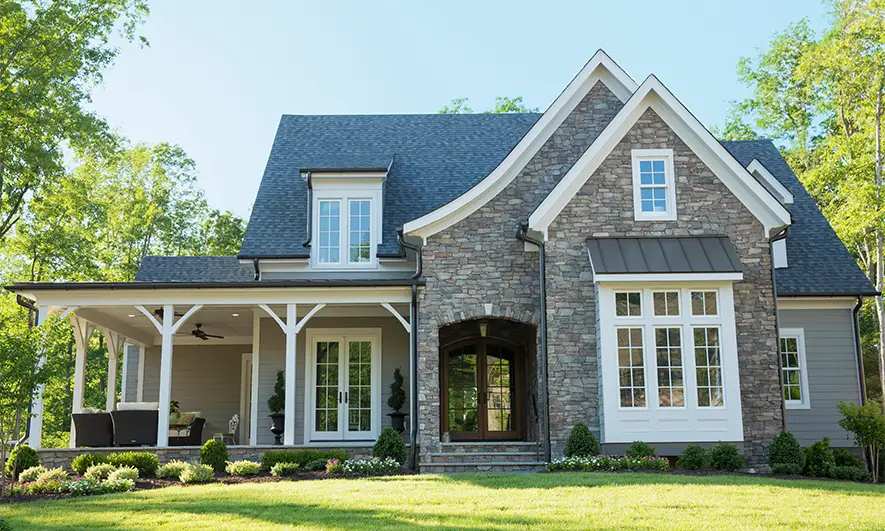
The Hartford offers the only home insurance endorsed by AARP, complete with customizable coverage options and exclusive benefits that help protect your home, belongings and guests without breaking the bank.
Quote Today
Key Takeaways
- A second home needs its own homeowners insurance policy, which provides essential protection from hazards like fire, lightning and wind, as well as liability coverage to help protect yourself.
- Insurance needs for a second home vary based on personal factors like location, vacancy periods, replacement cost and whether the property is rented out.
- You can increase protection for your second home with optional coverages and separate policies, like flood insurance.
What Is Second Home Insurance?
A second home insurance policy works similarly to your primary home insurance. It can help protect your property’s structure and personal belongings from damages caused by fire, lightning and wind. It also offers personal liability coverage if anyone gets hurt on your property. With AARP® Home Insurance from The Hartford,1 AARP members can access exclusive benefits and customizable coverage options designed specifically for the unique needs of a second or vacation home.
What Does Second Home Insurance Cover?
A standard second home insurance policy typically includes:
Dwelling coverage: Helps pay to repair or rebuild the structure of your second home if it’s damaged by a covered event, like a fire or windstorm.
Personal property coverage: Helps protect the belongings inside your second home, such as your furniture, appliances and clothing.
Personal Liability Coverage: If someone who doesn’t live in your home gets hurt on your property and you’re found legally responsible, this helps pay medical bills or legal costs.
If you can’t stay in your second home temporarily because of a covered loss, this coverage helps pay for extra living expenses, such as dining out or hotel fees.
Factors That Affect Second Home Insurance Rates
Is it more expensive to insure a second home? In many cases, yes — second home insurance can cost more than your primary home policy. A second home may be uninhabited for periods of time, which some insurers could view as a higher risk. So, your premium for a second home may be higher.
Other factors that can influence how much you pay include:
- Replacement Cost: Just like with your primary home policy, if your second home costs more to replace, it will affect your secondary homeowners insurance.
- Vacancy Periods: If your second home is empty for an extended period, it can be more vulnerable to damage.
- Location: Your insurance rate may be higher if your second home is far from emergency services.
- Proximity to Water: Homes near lakes, rivers or the ocean can face higher flood risk.
- Rentals: If you’re going to offer your second home as a rental, you’ll most likely need additional coverage, like landlord insurance.
- Security Features: Homes with alarms, smart locks and security cameras may qualify for premium discounts.
Understanding these factors up front can help you make coverage decisions to avoid insurance gaps. The Hartford’s representatives can help you evaluate your specific situation to get the right level of protection for your second home. Call 877-422-2345 to get a quote today.
Coverage Options for Your Second Home Insurance Policy
A standard home insurance policy may offer basic protection, but depending on how you use your second home, you may want to consider adding other types of coverage, such as:
- Additional Limits Coverage: If your home is deemed a total loss, full replacement cost coverage pays the full cost to rebuild your home up to 125% of your coverage limits. Depending on where you live, a coverage limit of up to 150% may be available.
- Replacement Cost Coverage: With this optional home insurance benefit, covered personal property that’s stolen or damaged will be replaced with a comparable item at today’s value, not depreciated actual cash value. This will help extend your personal property coverage.
- Equipment Breakdown Coverage: This coverage helps pay for repair or replacement costs if your appliances or electronics have a mechanical or electrical breakdown. It also provides coverage if you want to make “green” upgrades, paying up to 125% of your cost to replace any covered equipment with items that are similar, but more energy efficient or environmentally friendly.
- Flood Insurance: Regular homeowners insurance policies won’t protect your home from floods. And if your second home is near a body of water, it could have a higher risk of flood or water damage. In that case, you’ll need to purchase a separate policy.
What Insurance Do You Need If You Rent Out Your Second Home?
If you rent your second home, your standard homeowners insurance policy may not cover rental-related liability or property damage. Even if you offer short-term stays through online platforms, you may need additional coverage like:
- Landlord Insurance: Designed for homes that are primarily rented to others. This type of policy helps protect the structure, loss of rental income and liability.
- Short-Term Rental Endorsement: Some insurers offer an add-on to your homeowners policy that extends coverage during periods when your home is rented.
Understanding Replacement Cost vs. Market Value
When insuring your second home, it’s important to understand the difference between market value and replacement cost:
- Market value is what a buyer would pay for your home and land in the current real estate market. It’s influenced by location, nearby amenities, school districts and housing market conditions.
- Replacement cost is the amount it would take to rebuild your home from the ground up using materials of similar kind and quality – not including land value. This figure accounts for labor, materials, cleanup and debris removal.
Do You Know Your Home’s Market Value vs. Its Replacement Cost?
Your home’s market value and replacement cost are two different amounts.
Your home's market value is what a buyer is willing to pay for your house and land in its current condition, while your home's replacement cost is the amount it would take to rebuild your home with materials of similar kind and quality on your existing property.
We’ve compiled key differences in this table:
| Home Market Value Influences | Home Replacement Cost Influences |
|---|---|
| Your location, like being near water or on an elevation with views | The items needed to rebuild walls, ceilings, floors, windows, doors, roof, etc. |
| The quality of the local school systems | The labor to rebuild or repair your home |
| Your proximity to police, fire and medical facilities | Cleanup costs and debris removal |
| If you're near stores, restaurants and entertainment | |
| The status of your area's housing market | |
| Extra structures on your property like a shed or pool |
How We Can Help: Once we determine an accurate replacement cost for your home, we verify that amount throughout the life of your policy, so your coverage is always up to date. The Hartford also offers optional additional limits coverage that pays up to either 125% or 150% of your dwelling coverage limits if you have extra rebuilding costs.
How To Lower Your Second Home Insurance Premium
Making smart upgrades to your second home can help protect it while also helping you save on your secondary homeowners insurance premium. Consider installing:
- A keyless entry or smart door lock that lets you enter your home with a keypad or smartphone. You can even lock or unlock the door remotely. VIDEO: Smart Home Technology: Keyless Entry
- A wireless doorbell camera so you can see who is at your door. You can also use it to deter unwanted visitors and interact with visitors when you’re not home. VIDEO: Smart Home Technology: Wireless Doorbell Cameras
- Burglar alarms or security systems to help protect your second home during extended vacancies and potentially lower your premium. VIDEO: Smart Home Technology: Security Systems
Remember:
Security upgrades not only help protect your property, but they can also help you unlock additional discounts on your second home insurance policy. The Hartford’s specialists can help you understand what savings you qualify for.
Bundle Your Second Home and Save
One of the easiest ways to save on your second home insurance is to bundle your policies with The Hartford. AARP members who combine their home insurance policies with their auto coverage can save nearly $1,000.**
Whether you’re using your second home as a personal getaway or rental property, we can help ensure you have the right coverage. The Hartford understands the unique risks that come with owning a second home, and we’re here to walk you through your options. We’ll explain how renting your property may affect your policy and help you find the right balance of protection and savings.
Ready to get started? Call us at 877-422-2345 or get a fast and easy insurance quote for your second home online.
** Average annual savings are based on information reported by customers who switched to The Hartford’s newest rate plan between 9/1/24 and 8/31/25. Average auto insurance savings $597 and average home insurance savings $366. Your savings may vary. Rate differences for AARP members and non-members vary by state and AARP membership tenure. Auto/Home discount is available only to policyholders who have both their auto and home (or condo or renters) insurance through the AARP Auto & Home Insurance program from The Hartford. The Hartford does not write new business in all areas, including the states of CA and FL.
§ Availability of RecoverCare benefit and benefit levels vary by state. The Hartford RecoverCare Advantage® is a registered mark of The Hartford.
§§ Terms and conditions apply.
‡ Terms and conditions apply. Accident Forgiveness and the Disappearing Deductible are not available to CA policyholders.
‡‡ Terms and conditions apply. Availability varies by state.
‡‡‡ Based on one car and driver; individual rate/premium/savings will vary based on actual coverage selections and characteristics of vehicle(s)/driver(s).
Additional disclosures below.