Rental Property Insurance

What Is Rental Property Insurance?

Rental property insurance, also known as landlord insurance or rental dwelling insurance, helps protect your rental property against a range of scenarios. Landlords need investment property insurance to help protect their rental unit, whereas tenants need renters insurance to help protect their personal belongings.
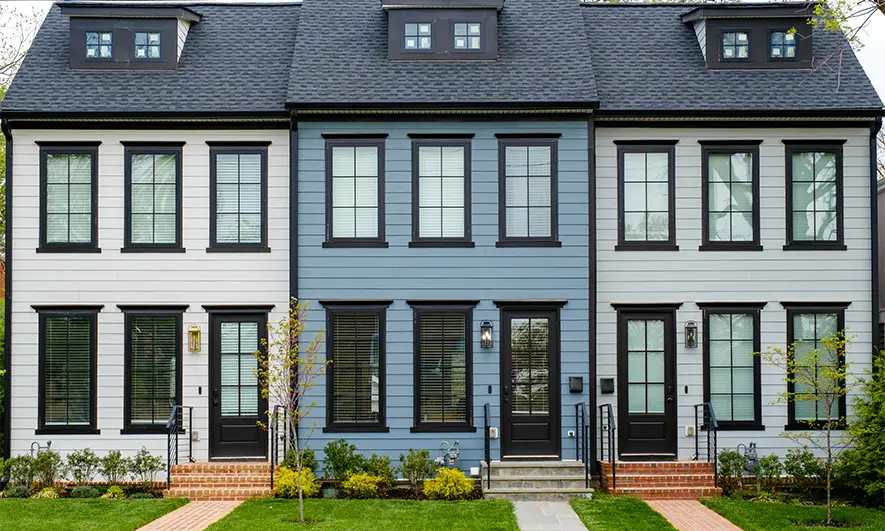
townhouse protected by rental property insurance
Quote Today

Key Takeaways

  • Rental property insurance helps safeguard the investment you’ve made in your rental property, offering protection from things like property damage or liability claims.
  • It’s important to know that rental property insurance doesn’t offer protection from every situation, like flood damage. In some cases, you’ll need to purchase a separate policy.
  • The cost of rental property insurance is based on many personal factors and will be unique to you. That’s one of the reasons it’s important to compare quotes.

Types of Properties Covered by Rental Insurance

Insurance for rental property investments, such as single-family homes, condos or townhouses, offers financial protection to help you rent your space with confidence. So, if you own a home that tenants rent, property insurance can help protect you and your investment if it’s damaged by a covered loss.
If your rental property offers short-term stays, like an Airbnb, then you may need a different insurance policy.
couple protected by insurance for rental property

How Much Does Rental Property Insurance Cost?

According to the Insurance Information Institute (III), the average rental property insurance quote is about 25% more than a standard homeowners policy.2 Given that the average cost of homeowners insurance in July 2025 is $2,466 per year, you can estimate the rental property insurance cost to be around $3,080.3
Since your rental dwelling insurance quote is unique to you, you could have a higher or lower cost than the national average. Landlord insurance costs are typically influenced by similar factors that impact homeowners insurance prices, like your property’s:
 
  • Age
  • Location
  • Replacement cost
  • Claims history

What Does Rental Home Insurance Cover?

As a landlord, it’s essential to protect yourself with specific insurance for investment property coverages. Policies for rental property insurance typically provide coverage in situations involving:
 

Weather

Weather-related events can cause significant damage to your property, leading to lost rental income. Dwelling coverage is the part of your policy that helps pay to repair or rebuild your rental unit after it’s damaged by a covered loss.
Keep in Mind:
Most standard homeowner policy limits don't extend to flood damage, so you’ll need to get a separate flood insurance policy to get coverage.
 

Liability Situations

If a tenant or visitor gets injured on your rental property, you may face liability claims and could be found legally liable, depending on the circumstances. Liability coverage, which is a recommended coverage for all rental property insurance policies, helps protect you in these situations.
For example, if a renter slips and falls on icy steps, this coverage helps pay their medical bills or any legal fees.
 

Pipe Burst

A burst pipe can be very costly for you and cause significant damage to your rental property. Dwelling coverage through your rental property insurance helps protect your home’s structure and its built-in features, like wiring and pipes, from any covered losses.
Typically, landlord insurance policies won’t cover any damage caused by a sump pump. Talk to your insurer about adding protection against water or sewer backup to your policy.
couple protected investment property insurance

Additional Coverages

Most policies allow you to add extra coverage for greater peace of mind, including:
  • Personal property coverage, which helps cover your personal belongings, like furniture and appliances that may be kept in your rental unit.
  • Other structures coverage, which helps protect detached structures on your property, like a detached shed, when they’re damaged by a covered loss.
  • Premises liability coverage, which helps cover costs if you are found legally liable for bodily injury or damage caused on the premises.
  • Additional limits coverage, or full replacement cost coverage, which helps pay the full cost to rebuild your property, up to 125% of your coverage limits. Depending on where you live, a coverage limit of up to 150% may be available.

What Does Rental Insurance Not Cover?

While rental property insurance offers important coverage for landlords, it doesn’t offer financial protection from every situation. Things not covered by landlord insurance include normal wear and tear as well as damage from earthquakes, floods and pests (vermin, rodents, etc.). In some cases, you can purchase an additional policy to safeguard your property further.
 

How To Compare Landlord Insurance Quotes

With adequate rental property insurance, you can rent your property with the assurance that you’re covered. But you’ll need to make sure you fully understand the ins and outs of your policy. When you’re comparing landlord insurance quotes, be sure to:
 
  • Confirm each quote offers the same coverage.
  • Set the same deductibles and limits to compare prices fairly.
  • Check for any available discounts or additional benefits.
  • Be aware of any exclusions that may require you to buy extra protection.

Frequently Asked Questions About Rental Property Insurance

Landlord insurance isn’t required by law. However, it’s still a good idea to have this coverage. Without it, you may have to pay for damaged property repairs and legal expenses out of pocket if an unexpected event happens at your unit.
Rental property insurance can help protect your property from accidental damage by your tenants, like if a renter accidentally starts a fire at the unit. However, landlord insurance policies typically don’t cover intentional damage or damage to a tenant’s personal property. A tenant will need their own renters insurance policy to help cover their belongings.
Homeowners insurance is for individuals who own the home they live in, while rental property insurance is for landlords who rent out their property to tenants.
Dwelling coverage through your rental property insurance helps protect your home’s structure and its built-in features, like wiring and pipes. So, if a pipe bursts at your property, your insurance can help cover the damages.
 
However, it’s important to know that landlord insurance doesn’t offer flood protection. Instead, you can purchase a separate flood insurance policy to get coverage.
No. Tenants will need their own renters insurance policy to help protect their personal belongings. Rental property insurance is strictly for landlords who rent out their property.
Usually, rental property insurance doesn’t cover eviction costs, such as legal or court expenses. But some insurance companies may offer additional coverage you can purchase to extend your protection.
 
 
2 Insurance Information Institute (III), “Coverage for Renting Out Your Home.”
 
3 Bankrate, “Average homeowners insurance cost in July 2025.”
 
Additional disclosures below.
Summaries of coverages and policy features are for informational purposes only. In the event of loss, the actual terms and conditions set forth in your policy will determine your coverage.
 
AARP and its affiliates are not insurers. Paid endorsement. The Hartford pays royalty fees to AARP for the use of its intellectual property. These fees are used for the general purposes of AARP. AARP membership is required for Program eligibility in most states.
 
The AARP Auto Insurance Program from The Hartford is underwritten by Hartford Fire Insurance Company and its affiliates, One Hartford Plaza, Hartford, CT 06155. It is underwritten in AZ, MI and MN by Hartford Insurance Company of the Southeast; in CA, by Hartford Underwriters Insurance Company; in WA, by Hartford Casualty Insurance Company; in MA, by Trumbull Insurance Company; and in PA, by Nutmeg Insurance Company and Twin City Fire Insurance Company. The AARP Home Insurance Program from The Hartford is underwritten by Hartford Fire Insurance Company and its affiliates, One Hartford Plaza, Hartford, CT 06155. It is underwritten in AZ, MI and MN by Hartford Insurance Company of the Southeast; in CA by Property and Casualty Insurance Company of Hartford; in WA, by Trumbull Insurance Company; in MA, by Trumbull Insurance Company, Sentinel Insurance Company, Hartford Insurance Company of the Midwest, and Hartford Accident and Indemnity Company; and in PA, by Nutmeg Insurance Company. The Hartford does not write new Home business in all areas, including the states of CA and FL. Savings, benefits and coverages may vary and some applicants may not qualify. The Program is currently unavailable in Canada and U.S. Territories or possessions.
 
1 In Texas, the Auto Program is underwritten by Redpoint County Mutual Insurance Company through Hartford of the Southeast General Agency, Inc. Hartford Fire Insurance Company and its affiliates are not financially responsible for insurance products underwritten and issued by Redpoint County Mutual Insurance Company. The Home Program is underwritten by Hartford Insurance Company of the Southeast.
 
* Customer reviews are collected and tabulated by The Hartford and not representative of all customers.