Does Renters Insurance Cover Fire Damage to the Building?
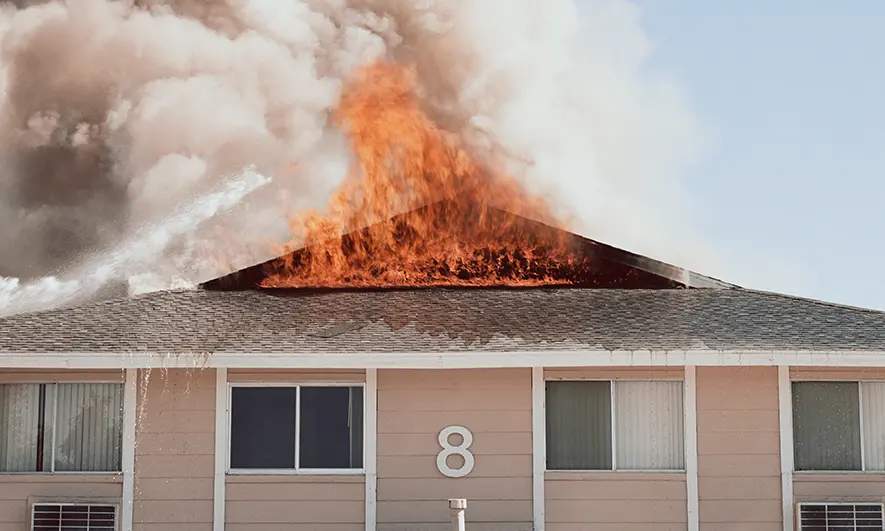
No, your renters insurance doesn't cover damage to the building itself, including walls, ceilings, floors and the roof. Structural damage is your landlord's responsibility and covered under their
rental property insurance. Your renters policy only protects your personal belongings and certain liabilities. So if a fire damages the building, your landlord files the claim, not you.
Are Intentional Acts or Negligence Ever Covered?
No, fire damage from intentional acts or illegal activity isn't covered by renters insurance. Insurance protects you from accidents, not fires you start on purpose. Gross negligence or a complete lack of maintenance may also impact your claim, so it's important to review your policy. Knowing what counts as negligence helps you avoid any surprises down the road.
Are There Limits on High-Value Items?
Yes, most renters insurance policies have limits on high-value items like jewelry, artwork and collectibles. This means your valuable items might not be fully covered under your basic policy. In that case, you can easily add extra coverage for these special items. For example, if you own fine art or musical instruments,
valuable items blanket coverage can be included on your policy with The Hartford to extend your protection.
How Does Renters Insurance Work With a Fire?
If you need to file a renters insurance claim after a fire, the process is straightforward:
- Call your insurance company right away to report the fire.
- Take photos and make a list of everything that got damaged.
- Work with an adjuster who will inspect the damage and review your claim.
- Get paid for covered losses minus your deductible once your claim is approved.
- Save all receipts for hotels and expenses so you can get paid back.
Why Would Insurance Deny a Fire Claim?
Most fire claims go through without issues, but it helps to know what could cause problems.
- Lapsed policy: Make sure your premium payments are up to date so you're covered when you need it.
- Excluded situations: Check your policy to know which events are covered and which aren't.
- Intentional damage or gross negligence: Coverage is meant for accidents, not intentional acts.
- Misrepresentation: Make sure all information on your application is accurate.
- Insufficient documentation: Keep records and proof of your belongings.
The good news is that most denials are preventable. Document everything with photos and receipts, file promptly and review your policy so you know what to expect.
The best way to handle a fire is to prevent one from happening. Here are some simple steps you can take to keep your rental safer:
- Test smoke detectors regularly: Check them monthly and replace batteries at least once a year.
- Keep a fire extinguisher handy: Know where it is and learn how to use it before you need it.
- Never leave cooking unattended: Kitchen fires are the leading cause of home fires.
- Check electrical cords: Replace any that are frayed, damaged or overheating.
- Blow out candles before you leave: Never leave candles burning when you're not in the room or going to sleep.
- Don't overload outlets: Use power strips with surge protectors and avoid plugging in too many devices.
- Create a fire escape plan: Know two ways out of every room and practice your plan with everyone in your home.
Taking these precautions now can save you a lot of stress later.