
Fall is a favorite season for many, especially early fall. Maybe it’s because the sweltering heat and the humidity of summer dissipates and the weather transforms into crisp, clean breezes and cool nights. Maybe it’s because the leaves change from vibrant greens to jewel-toned reds, oranges, yellows and purples.
The anticipation of fall also means you’ll need tackle some house and yard maintenance in the coming weeks. Here are 14 tips for your fall home prep to-do list:
1. Roof
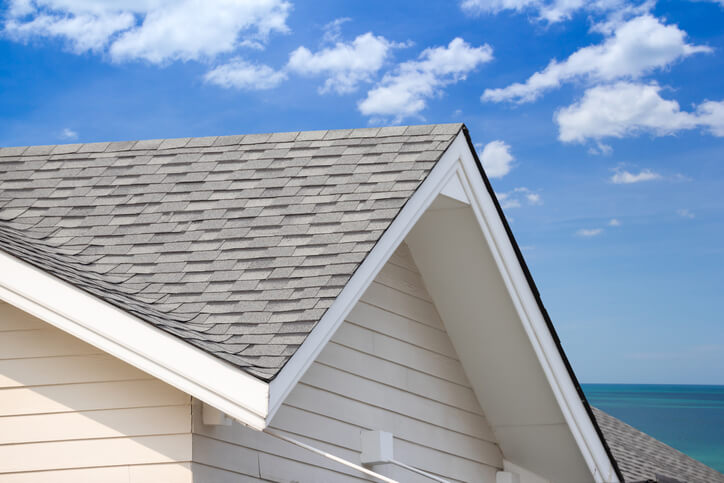
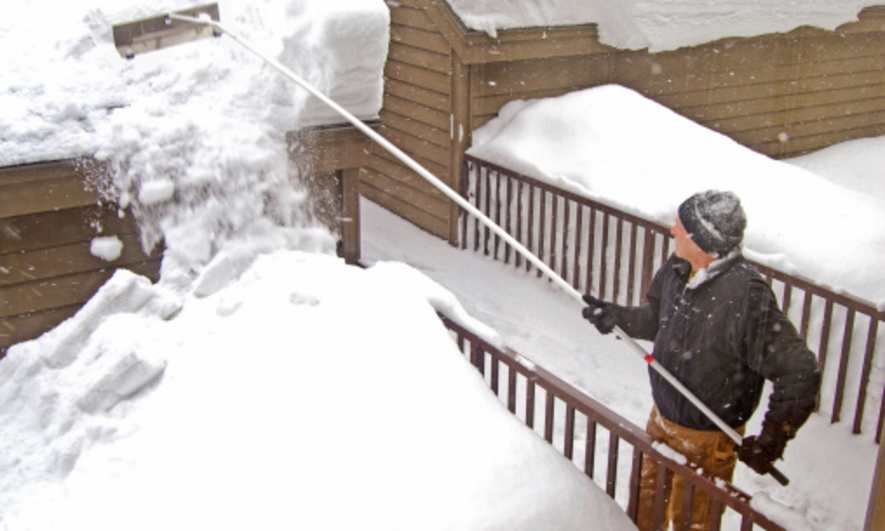
If you live somewhere that gets snow, it’s a good idea start your fall home prep by inspecting your roof, before the first big snowstorm of the coming winter hits. This can be done from the ground using binoculars or even from a ladder if it’s safe to do so. But there’s no need to get up on your roof, and in fact, it’s better for your roof if you don’t. Look for curled, cracked or missing shingles, rusted flashing and moss and lichen. If you find any evidence that might indicate a potential problem, have a professional come out to inspect your roof.
2. Gutters
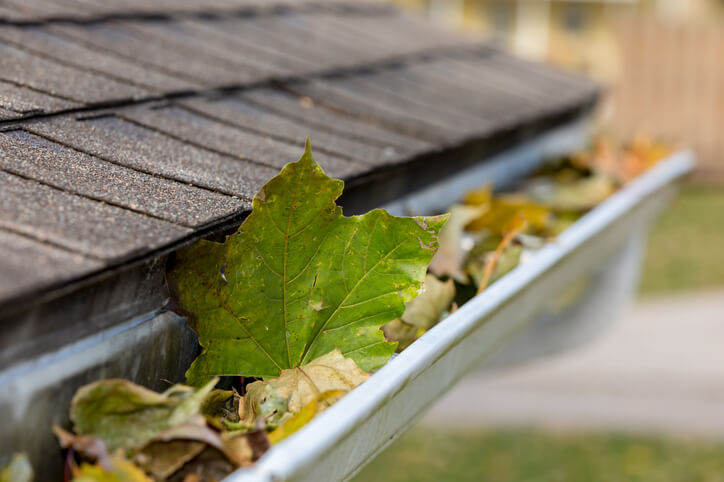
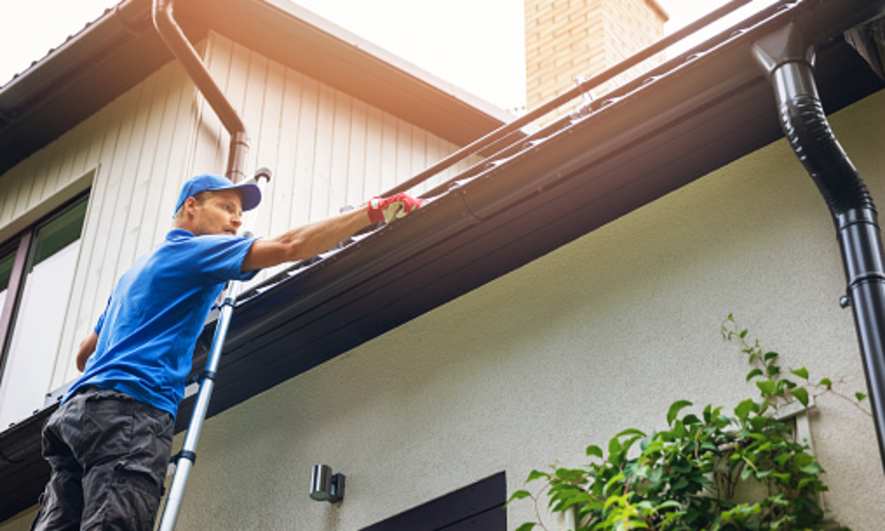
Although you might want to wait until the majority of your leaves have fallen before you clean your gutters, clogged gutters can quickly lead to a watery mess, so it’s best to get started on this task sooner rather than later.
In addition to removing leaves and other debris, check for an accumulation of granules. This could indicate that your roof is losing its coating, so if you do notice a buildup, contact a roofing specialist. Once your gutters are clean, consider installing gutter guards to reduce the likelihood of a clog in the future.
And while you’re working on your fall home prep, don’t forget to check your downspouts for clogs. One way to do this is to guide a plumber’s snake into the downspout to loosen the debris. It’s also a good idea to add downspouts extensions to direct the flow of water away from your home and foundation.
3. Siding

Be sure to check your siding for any cracks or gaps. With the weather cooling down, small animals might try to make their way into your home for shelter and warmth. Repair smaller holes with caulk and patch larger holes with new siding material. Also, touch up your exterior paint as needed. Not only will this increase your home’s curb appeal, but it will also help to shield your home from the elements.
4. Landscaping and Gardening
Have your tree branches trimmed, particularly those that are damaged, that are too close to your roof or power lines or that overhang your driveway. Cool weather is often accompanied by strong winds, and the last thing you need is for a tree to come crashing down on your car.
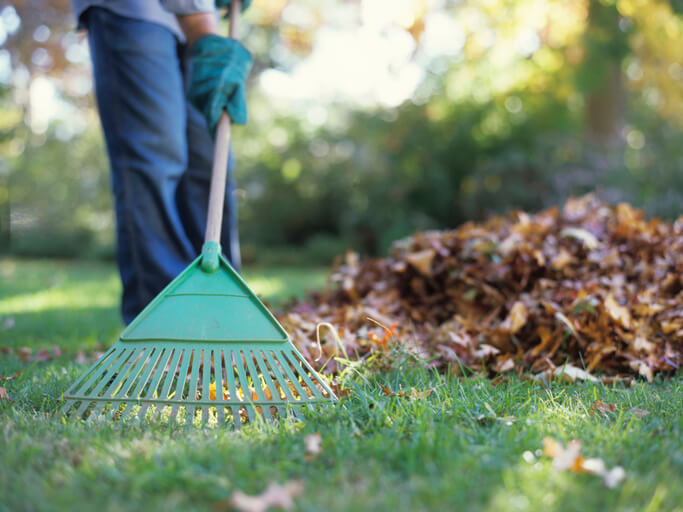
Once the leaves begin to fall, stay on top of raking them. You might be tempted to let them pile up, but there are a couple of reasons to avoid this.
- Your Neighbors. They probably don’t want your leaves blowing into their clean yard.
- Your Yard’s Health. The more the leaves pile up and begin to break down, the more difficult they’ll be to clear away. If it snows before you’ve had a chance to rid your yard of them, they’re likely to stay on your lawn all winter, where they’ll block sunlight and encourage the growth of mold and fungus on your lawn.
After you’ve cleaned up the majority of the leaves, apply fertilizer to your lawn to help prevent winter damage and so that it revives quickly next spring.
In addition to cleaning up your yard, don’t forget to harvest and cook your fall veggies and plant your spring bulbs. You can also start bringing in your potted plants or flowers. If your annuals have already died, dispose of them and empty, clean and dry the pots before you put them away for use next spring.
Finally, drain your garden hoses and disconnect them from the outdoor spigots. Store them in a dry place to prevent freezing or cracking. Be sure to winterize your outdoor faucets and irrigation systems. You can even call in an expert to help you with this fall home prep.
5. Lighting
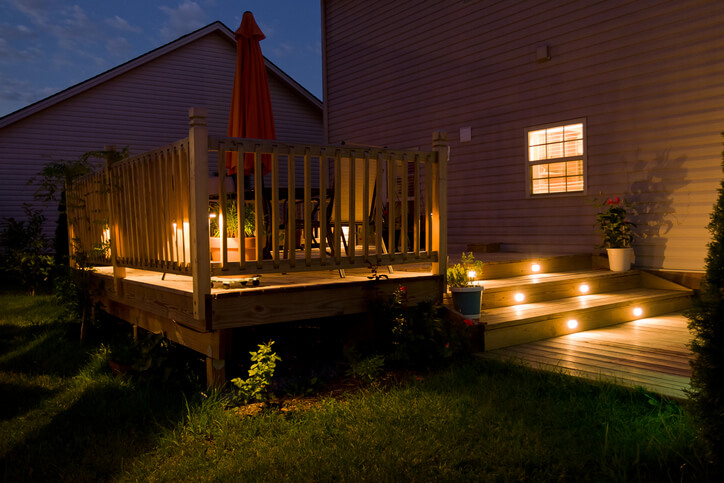
As the weather cools down, the days grow shorter and it gets dark earlier. If you don’t have outdoor lighting installed, consider making it a priority. After all, you don’t want to risk tripping when you take the dog out. Make sure to purchase products that are meant for outdoor use. Energy-efficient bulbs are a good option because they help you save money.
If you already have outdoor lighting installed, be sure to check that everything’s in working order.
6. Yard Equipment
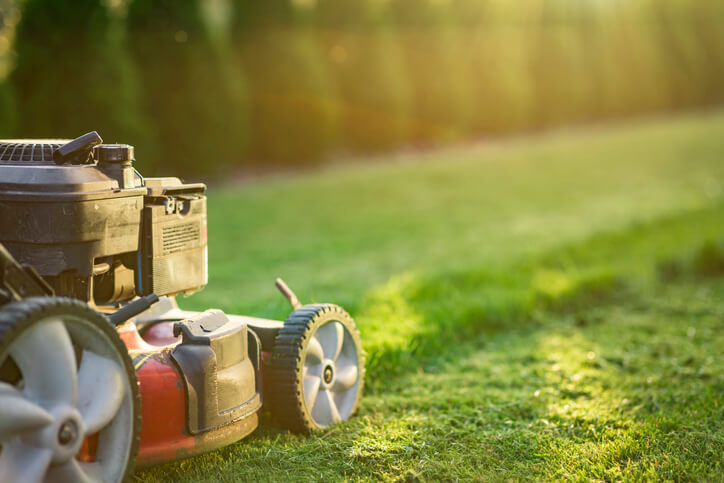
To store your lawn mower until next spring, empty the fuel tank or add a fuel stabilizer to a full tank of fuel, change the oil and have the blades cleaned and sharpened. It’s also a good idea to remove the battery and stash it in a cool, dry place.
Service your snow blower so that it’s ready at a moment’s notice for unexpected winter weather. And if you have an emergency generator, test it out to make sure it’s in good working order. You don’t want to find out that your generator is out of order when you’re stuck in the middle of a storm with no electricity or heat.
7. Garage and Shed
Forget spring cleaning. Now is the perfect time to tidy up your garage or shed. Start by disposing of any liquids that might freeze, as well as unneeded flammable or hazardous materials.