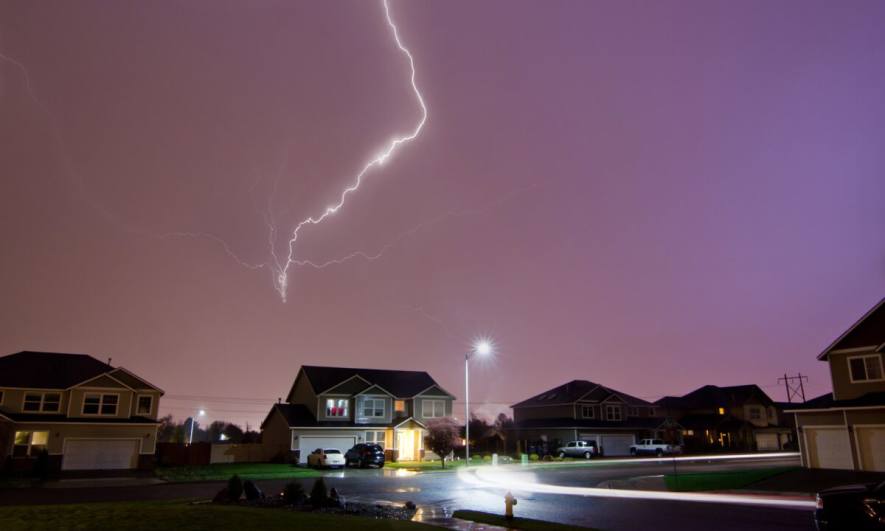

In a flash, lightning can hurt you, damage your property and possessions or set your home on fire. But there’s a silver lining: a little knowledge and planning can help keep you safe during a storm.
Each year, about 100,000 thunderstorms hit the United States. Since thunder is the sound caused by lightning, all of those storms come with lightning. “Lightning is a giant spark of electricity that occurs either in a cloud or between a cloud and the ground,” says John Jensenius, a lightning safety specialist for the National Weather Service (NWS). What causes lightning? During a storm, electrical charges accumulate in a cloud, which causes opposite electrical charges to accumulate on the ground beneath the cloud. “Lightning is a way of equalizing those charges,” he explains.
If you’re in the wrong place at the wrong time, those sudden electrical discharges can be very dangerous. Although 90% of those struck by lightning live, many victims are left with permanent injuries. A lightning strike can cause bad burns, hearing loss, long-term disabilities and severe emotional problems, says Richard Kithil, CEO & Founder of the National Lightning Safety Institute. “It’s a traumatic experience.” And unfortunately, not everyone makes it; already in 2024, 9 people have been killed from lightning ranging from the age of 7 to 73.
Where and When Does Lightning Strike?
Thunderstorms happen more often in some parts of the country and during certain months of the year than others.
Based on data from the National Oceanic and Atmospheric Administration (NOAA), the South experiences thunderstorms more frequently than the other regions, partly due to its proximity to the Gulf of Mexico. And Florida, in particular, seems to be a breeding ground for lightning.
Thunderstorms are more frequent in the summer than at other times of the year due to the humidity and warmth; thunderclouds—those electrically charged clouds that produce lightning—are formed when moist, warm air from the Earth’s surface reaches the upper atmosphere and cools. Thus, summer is the most dangerous time of the year in regard to lightning strikes, but it’s equally as important to stay diligent in late spring and early fall.
Prepping Your Home
It’s important to ready your home for severe weather of all sorts. This is especially true in regard to thunderstorms. In addition to lightning, they can bring fire, floods, hail, strong winds and tornadoes, according to Ready.gov. To prep your home, start by:
- creating a disaster plan.
- practicing tree maintenance, like removing trees or branches that could damage your property if they fell.
- repairing damaged building components, such as loose gutters and roof shingles.
These steps should be taken well before a thunderstorm is forecasted.
If you want to take extra measures to shield your home from lightning damage, consider installing a lightning protection system, recommends Kim Loehr, spokeswoman for the Lightning Protection Institute, an organization dedicated to improving lightning protection. A complete system grounds the home and provides surge protection. Some homes, especially smart homes, are built with these systems in place, but a homeowner can have a professional install.
It’s smart to be prepared because lightning is one of the most common weather perils, says Loehr, and it can be very dangerous. “Lightning can pack up to 100 million volts of power, sometimes more.”
In addition to taking steps to prepare your home, it’s always a good idea to know what’s covered by your homeowners insurance and car insurance policies, before a severe weather event strikes. For example, your home policy won’t cover flood damage, so if you’re concerned about rainwaters from a storm damaging your home, you’ll need to purchase a separate flood insurance policy ahead of time.
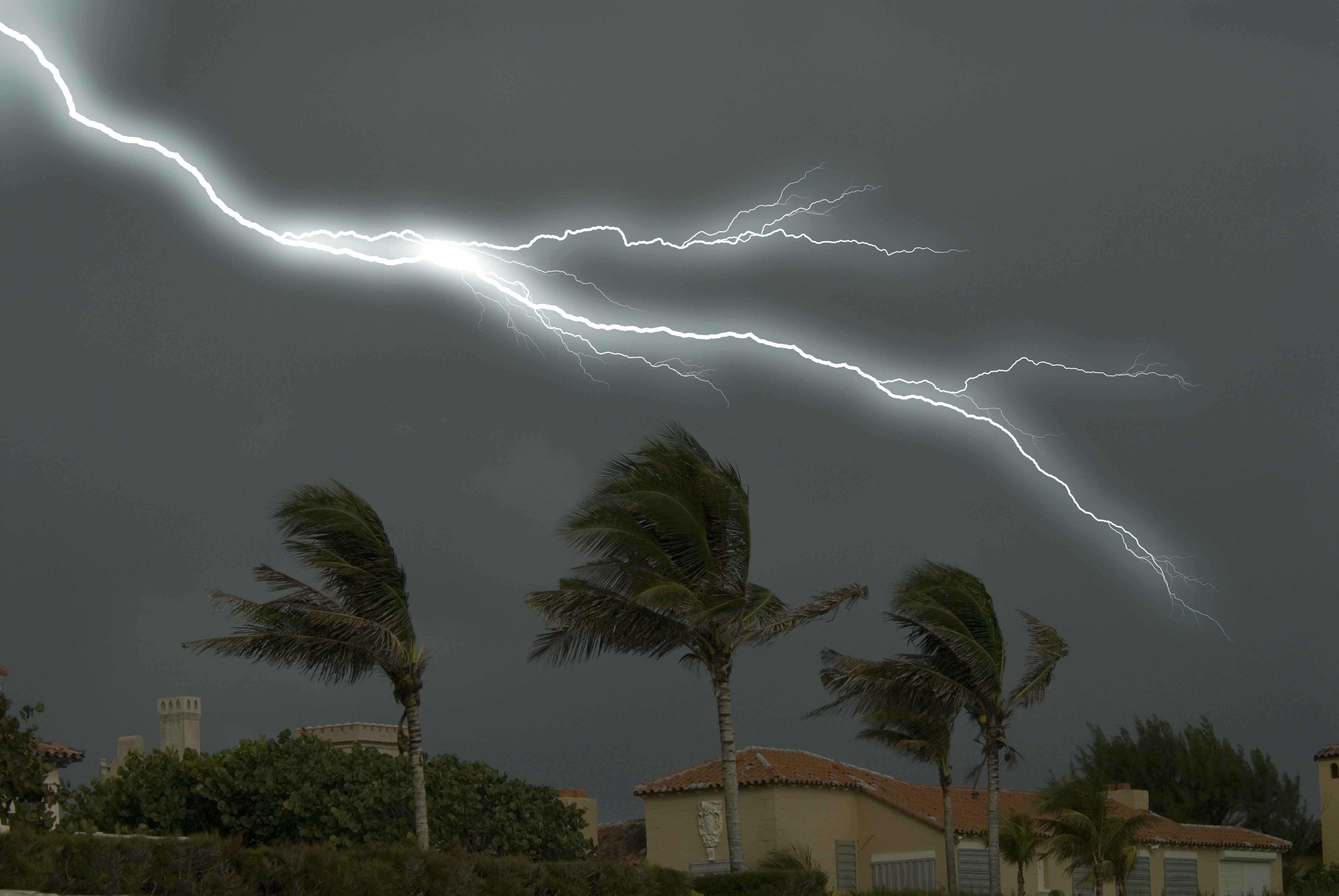 It’s a good idea to check the weather each morning to see whether thunderstorms are in the forecast. If you can, especially if you live in an area prone to sudden thunderstorms, Jensenius recommends that you download a weather radar app for your smartphone and try to plan outings around the storms. Should a thunderstorm strikes while you’re away, and open upstairs window could lead to wind damage in your home’s interior, so make sure to close all windows and doors whenever you leave your home.
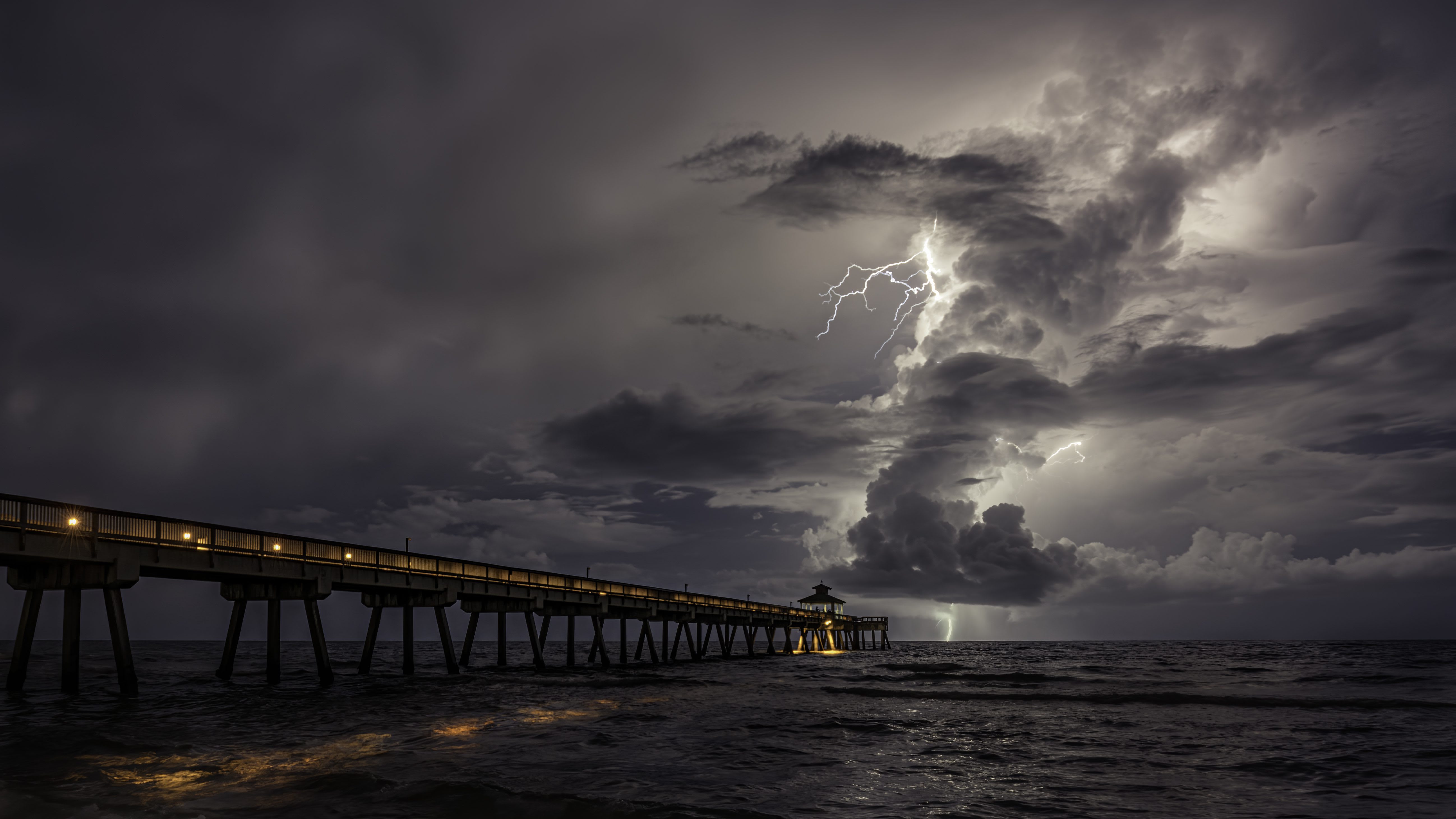 What if you’re behind the wheel when a storm rolls in? If you’re driving a hard-topped car, it should be safe to remain in the car, but you should pull to the side of the road to wait out the storm.