As you age, staying safe during extreme weather, like heatwaves, floods or wildfires, can become more challenging. Over the past five years, the average number of such disasters has surged to 23 annually, which is more than double the long-term average of 9 per year. Heat waves are projected to become up to five times more frequent and longer-lasting in many U.S. regions.
The National Institute on Aging (NIA) highlights that these events can disrupt regular health care, making it harder to access medications, treatments or support services. Power outages, transportation issues and damaged infrastructure can all create serious challenges, especially for those with chronic conditions or mobility limitations.
While it’s impossible to control the weather, you do have power over how you prepare for and prevent damage to yourself and your community.
Extreme Weather Considerations for Older Adults
In her book Climate Resilience for an Aging Nation, Danielle Arigoni explains how older adults often face greater risks during weather-related events. One reason is because they can have a unique set of health challenges that heighten their vulnerability during extreme weather. Chronic conditions such as heart disease, diabetes, respiratory illnesses and cognitive impairment may complicate emergency response and recovery.
Some medications also may increase an individual’s sensitivity to heat or cold, adding to the danger during extreme temperatures.
Not all older adults are equally affected. Factors like social support, health status and access to resources can influence how well someone copes during a disaster.
Because it’s not just about age; it’s about how communities are built.
The Power of Community
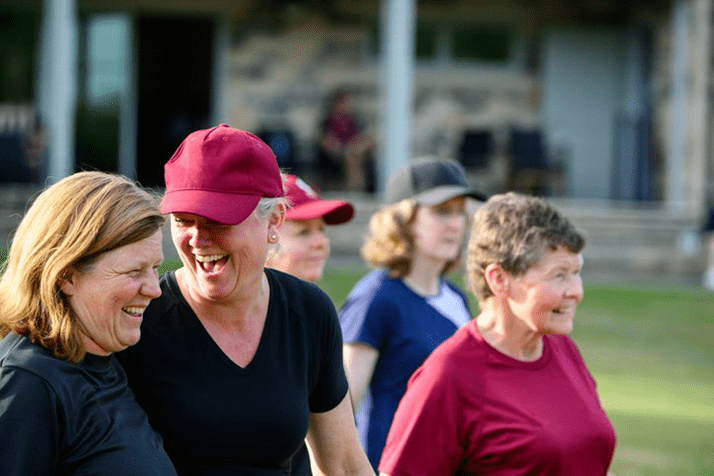 Many places don’t have adequate support systems in place, like reliable transportation, accessible housing or nearby medical care, especially during emergencies.
Arigoni encourages cities and towns to plan with older adults in mind. That means:
- Making homes safer and more comfortable
- Ensuring help is available when needed
- Creating neighborhoods where it’s easy to get around, particularly for older adults who don’t drive
While research from the United Nations has shown that older people are more likely to suffer from climate-related health problems, they also emphasize that older adults have wisdom, experience and resilience that are essential to building stronger communities. As weather-related events continue to rise, targeted strategies created with input from community-based older adults are essential for building resiliency.